Technical Drawings Demystified: What They Are and Why They Matter
Technical Drawings Demystified: What They Are and Why They Matter
• • •
Planning a residential renovation is an exciting milestone. Whether you’re restoring a Victorian terrace to its former glory, extending a growing family home, or reconfiguring a dated layout to suit modern living, the possibilities can feel inspiring and full of promise. A well-executed renovation not only enhances your day-to-day comfort but can also add significant long-term value to your property.
However, beneath the surface of glossy design ideas and Pinterest boards lies a process that requires careful preparation, realistic budgeting and informed decision-making. Renovations are complex undertakings involving multiple trades, regulations, timelines and financial commitments. Without the right groundwork, even relatively straightforward projects can spiral into unexpected costs, delays and unnecessary stress.
What Are Technical Drawings?
Technical drawings are detailed diagrams that communicate how an object functions or how it should be constructed. They are created using a set of standardised symbols, measurements, and conventions so that engineers, designers, and manufacturers can interpret them consistently.
Unlike artistic sketches, which can be open to interpretation, technical drawings are designed to have one clear and precise meaning. This level of accuracy ensures that a design can be reproduced reliably in real-world manufacturing or construction.
In practical terms, a technical drawing typically includes:
- Exact dimensions and measurements
- Multiple views of an object
- Notes and annotations
- Material specifications
- Instructions for assembly or installation
Why Technical Drawings Are Important
Technical drawings are often referred to as the universal language of engineering and design. They enable professionals from different disciplines to collaborate effectively by sharing precise information about a project.
Clear Communication
One of the primary benefits of technical drawings is their ability to communicate complex ideas visually. Engineers, architects, and manufacturers rely on them to convey details about size, shape, materials, and assembly methods without ambiguity.
Accuracy and Consistency
Technical drawings provide exact measurements and specifications, ensuring that products or structures are built correctly. This accuracy reduces costly mistakes and ensures consistency across production runs.
Efficient Manufacturing and Construction
Manufacturers and builders use technical drawings as step-by-step guides during production. By clearly outlining every component and dimension, these drawings streamline the building process and improve efficiency.
Documentation and Quality Control
Technical drawings also serve as permanent documentation for a design. They allow inspectors and engineers to verify whether a finished product meets the original specifications, supporting quality control and maintenance over time.
Common Types of Technical Drawings
Engineering Drawings: Engineering drawings show the detailed geometry and dimensions of mechanical parts or systems. They provide the information needed to manufacture components accurately.
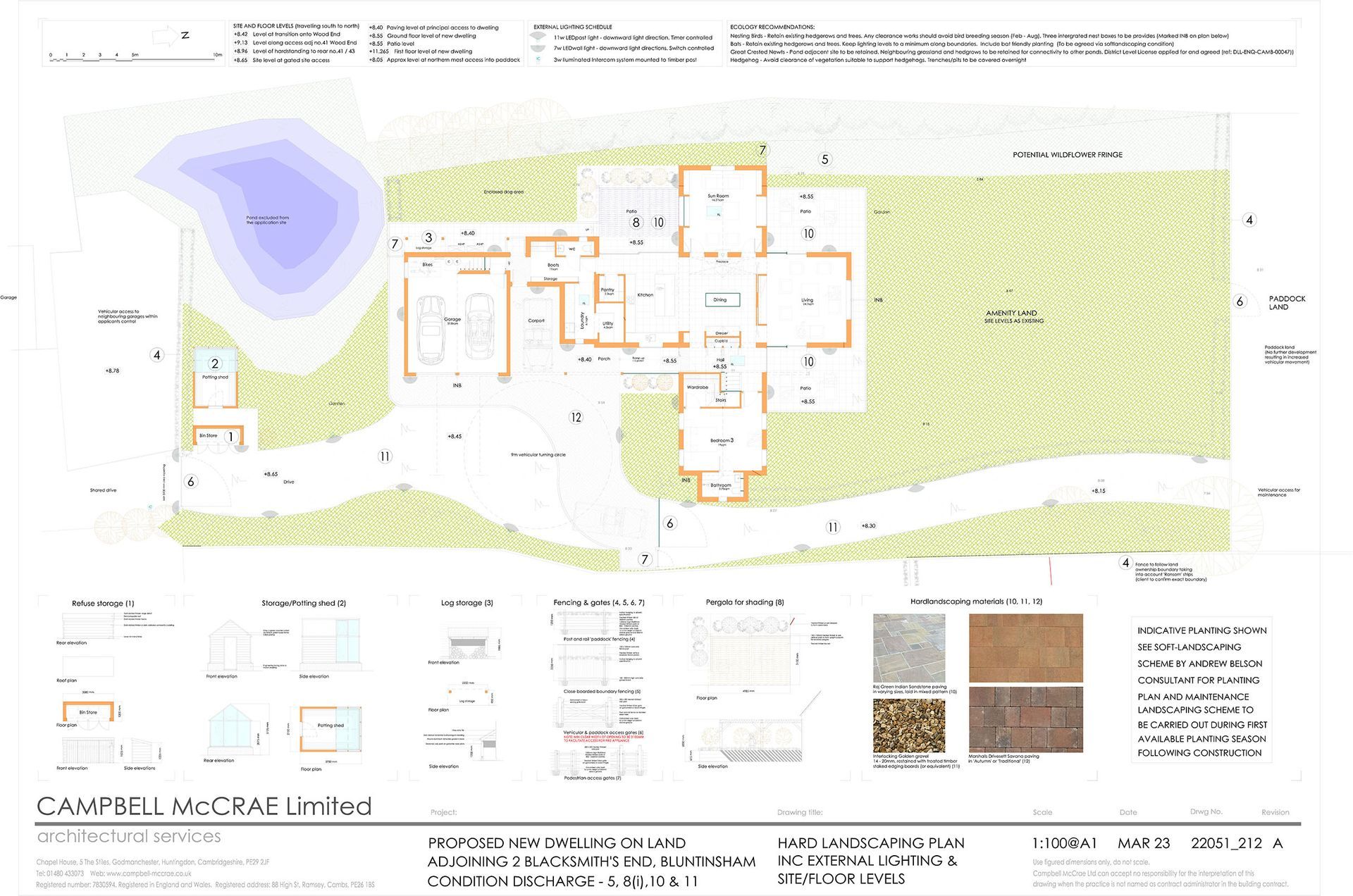
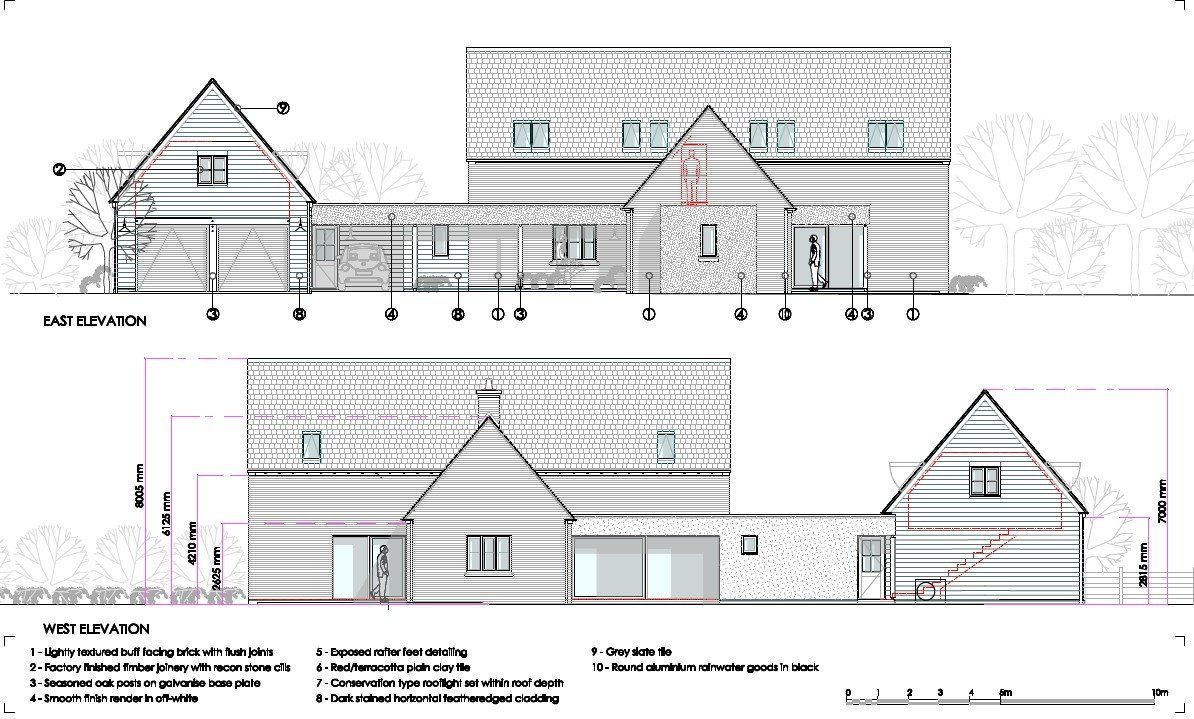
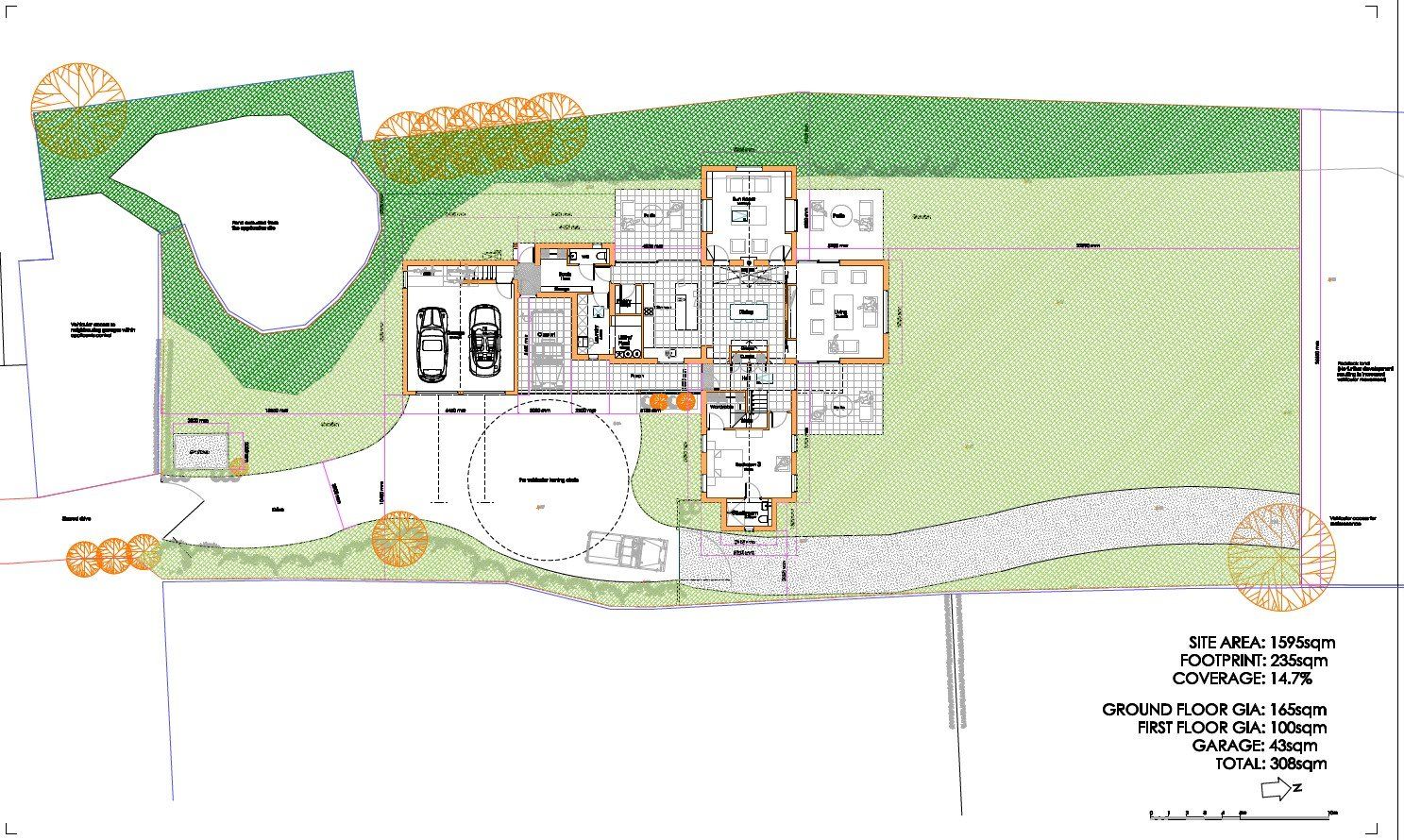
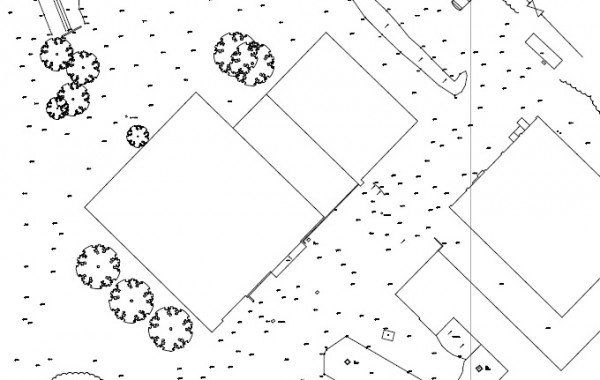
Architectural Drawings: Architectural drawings are used in building design. They illustrate floor plans, structural layouts, and construction details required for residential or commercial projects.
Assembly Drawings: Assembly drawings show how individual components fit together to form a complete product. They often include part numbers, quantities, and connection details.
Sectional Drawings: Section drawings reveal the internal structure of an object by slicing through it. This helps designers display hidden components or internal mechanisms.
CONTACT US TODAY TO
SCHEDULE A CONSULTATION
• • •
From small mechanical components to large residential developments, these drawings ensure that every detail is communicated accurately throughout the entire project lifecycle.
Working with experienced architectural professionals can also make a significant difference when bringing a project to life. Architectural firms such as Campbell McCrae Limited provide architectural design, planning support, and surveying services that help guide projects from the initial concept stage through to planning approval and construction. By combining professional expertise with detailed technical drawings, we help homeowners and developers ensure that designs are practical, compliant with regulations, and ready for successful delivery.
Based in Godmanchester, we proudly serve clients in Huntingdon, St Neots, St Ives, Warboys, Ramsey, Peterborough, Bedfordshire, Hertfordshire, Sawtry and the surrounding areas of Cambridgeshire.
Enquire with our firm today to learn more about our technical drawing capabilities or to schedule a consultation.